
XRAY Aerospace Corp. d/b/a Matrix Arms v. Smith & Wesson Brands, Inc. and Smith & Wesson Inc.
Case Overview
- Case Name: XRAY Aerospace Corp. d/b/a Matrix Arms v. Smith & Wesson Brands, Inc. and Smith & Wesson Inc.
- Court: U.S. District Court for the Eastern District of Tennessee (Northern Division)
- Case Number: 3:26-cv-00367-KAC-JEM
- Filing Date: August 3, 2026
- Plaintiffs: XRAY Aerospace Corp. d/b/a Matrix Arms
- Defendants: Smith & Wesson Brands, Inc. and Smith & Wesson Inc.
- Nature of Action: Civil lawsuit alleging willful patent infringement with a demand for a jury trial.
Executive Summary
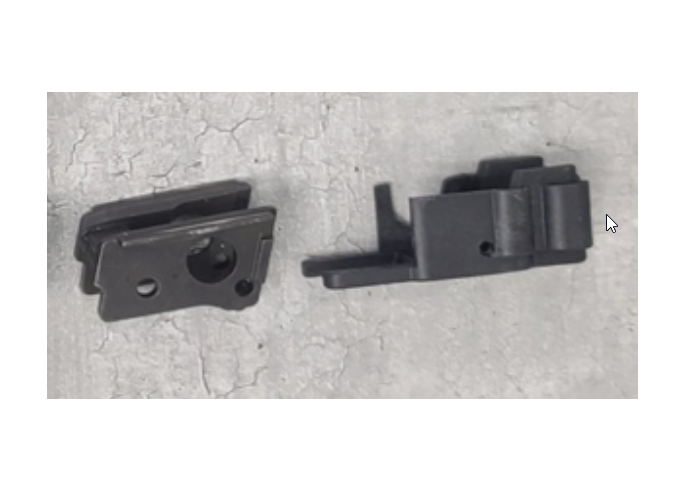
Plaintiff XRAY Aerospace Corp., doing business as Matrix Arms (the patent owner), has filed a patent infringement lawsuit against firearms manufacturers Smith & Wesson Brands, Inc. and Smith & Wesson Inc. The federal complaint alleges that the Defendants are actively making, using, offering for sale, selling, and importing unauthorized metal frame pistols—specifically promoted under brands such as “M&P,” “M&P 9 M2.0,” and/or “M&P M2.0 Metal”—that incorporate removable slide rail modules and recoil-dampening buffer components.
Plaintiffs contend that these products directly infringe upon patents protecting innovative pistol buffer designs and slide rail modules. Because the Defendants reportedly continued making and selling these systems despite receiving a cease-and-desist letter placing them on notice of Matrix’s intellectual property rights, the Plaintiff is accusing them of willful infringement, opening the door for enhanced damages.
The Technology in Dispute
The lawsuit centers on advanced striker-fired semi-automatic pistol engineering—specifically addressing the mechanical shock and recoil challenges of metal-framed handguns:
- Standard Metal-Framed Pistol Design: When a striker-fired semi-automatic pistol having a metal frame is fired, the upper slide slams rapidly rearward until it is abruptly stopped by the pistol frame’s metal front rail module. This causes excessive wear on the front rail module, transmits undampened recoil straight to the shooter’s hand, and generates vibrations that can shake firearm sight screws and pins loose.
- The Patented Buffer and Slide Rail Innovation: Introduces a removable polymeric shock-absorbing buffer component and a slide rail module (also known as a locking block) within a metal-framed pistol. This replaceable buffer design absorbs and dampens slide impact shock, minimizes recoil transmission, and prevents structural vibration wear.
Breakdown of Infringement Claims
Patent Infringement (Counts I – II)
The complaint asserts that Smith & Wesson’s product offerings infringe upon two distinct U.S. Patents owned by Matrix Arms:
| Count | Asserted Patent | Technical / Mechanical Focus of Claim |
| Count I | U.S. Patent No. 11,867,474 | Pistol design featuring a removable polymeric shock-absorbing buffer and slide rail module to reduce slide impact shock and recoil. |
| Count II | U.S. Patent No. 12,264,890 | Improved pistol configuration utilizing a removable recoil-dampening buffer combined with a metal frame slide rail/locking block assembly. |
Remedy & Relief Sought
The Plaintiff claims severe, ongoing economic and irreparable harm due to these unauthorized sales and use practices. They are requesting that the federal court grant the following relief:
- Injunctions: Preliminary and permanent injunctions to immediately halt Smith & Wesson and its agents from making, using, selling, offering to sell, or importing the Accused Pistols or any products infringing the Asserted Patents.
- Damages & Accounting: Full financial compensation, including an accounting of all gains, profits, and advantages derived from infringement, alongside lost profits and/or a reasonable royalty.
- Punitive Multipliers: Asking the court to enhance damages pursuant to 35 U.S.C. Section 284 due to the willful nature of the patent infringement.
- Legal Fees: A declaration that this constitutes an “exceptional case” under federal law (35 U.S.C. Section 285), requiring the Defendants to pay all of the Plaintiff’s reasonable attorneys’ fees, costs, and pre- and post-judgment interest.
XRAY Aerospace Corp. d/b/a Matrix Arms v. Smith & Wesson Brands, Inc. and Smith & Wesson Inc.


